


Irish Shipwrights from Passage West
- fiona flint books

- Jun 12
- 2 min read
Updated: Jun 16
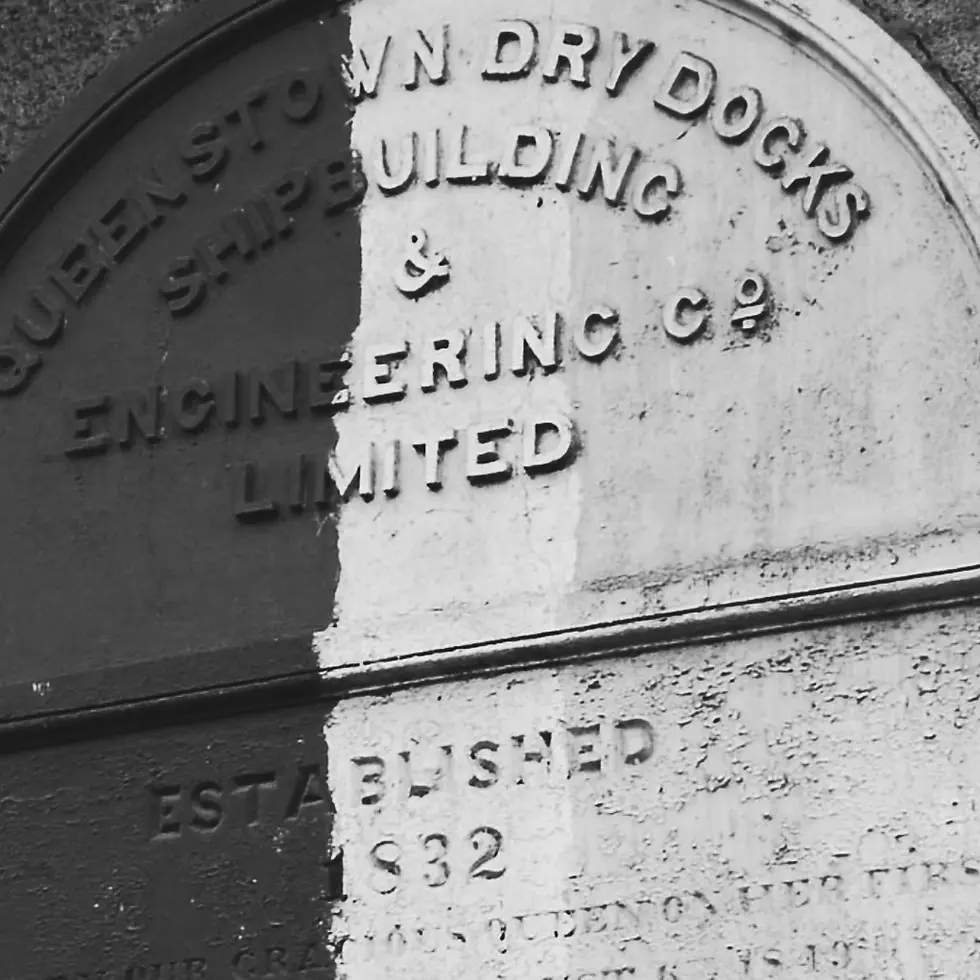
Passage West was a port on the west bank of Cork Harbour with an important ship-building and repair industry employing a great number of men. It prospered in the middle of the C19th, when dry docks opened there. Traces of the shipwright & ironworkers who worked at the dockyards survive in the form of timber and iron grave memorials in the area. William and Henry Brown established themselves as shipbuilders and repairers in Passage early in the C19th. In August 1812, a Mr Brown, carpenter, had a vessel for sale ‘on the Carpenters’ ways at Passage’. In the wake of the 1813 depression, however, there was a reduction in the amount of shipping coming into Cork harbour and employers were unable to offer shipwrights permanent work.

Meanwhile, the Dockyard at Sheerness in Kent was getting busier. An influx of Irish shipwrights at this time saw the erection of a wooden chapel dedicated to St Patrick in Rose Street, Blue Town, built using timber acquired from the Dockyard. One of the shipwrights' perks was the right to spare materials, so they likely built it themselves, having inflated the local Catholic congregation to such an extent that it outgrew pre-existing arrangements.
Passage had been noted for the longevity of its inhabitants in 1837 but by 1846 the Cork Examiner was describing streets swarming with half starving men and general poverty.
Men from Passage West went to work as shipwrights at Sheerness during these years, marrying daughters of the earlier Irish emigrants. Their sons became shipwrights, too, marrying girls from other Irish shipwright families.
Queenstown (or Cobh), nearby, had been important during the Napoleonic Wars because of the natural protection of its harbour. British-built Cove Fort had been inhabited by seamen and revenue officials in the mid C18th and many local families had links to the Navy. A local man, Captain Richard Roberts, commanded the first ship to cross the Atlantic entirely under steam in 1838. Later, steam tenders ferried passengers and mail from the quay at Cobh out to great steam liners carrying passengers to America and the local economy depended on coal heavers and stokers, who shovelled coal into the furnaces.
More information...

Comments