


Harvest Workers in Sheppey
- fiona flint books

- Jun 16
- 3 min read
Contrary to a romanticised view of Gypsy life propogated by gypsologists of the late C19th, Travellers lived and worked among settled populations of urban poor and were a part of everyday life to such an extent that the line between them was blurred. They took cheap lodgings with working class neighbours over the winter then travelled regular circuits performing seasonal labour, hawking and attending fairs the rest of the year.
This confused me when tracing certain of my ancestors. At the time of each census in April, the family lived in slum housing in Canterbury. Just using these census records, it would appear that they were settled. Yet marriages, births and burials kept occurring in Sheppey the same years. Then I discovered a newspaper report, detailing what the family was doing in Sheppey. In 1834, an inquest was held at the Eight Bells, St Dunstans in Canterbury for a member of the family who had 'died in a barn while harvesting at East Church Sheppey and was removed from thence by her husband'. This explained the birth of a child in Sheppey in 1837, the double wedding of two brothers, seemingly settled in Canterbury, at Eastchurch in 1841 and a later child burial at Eastchurch.
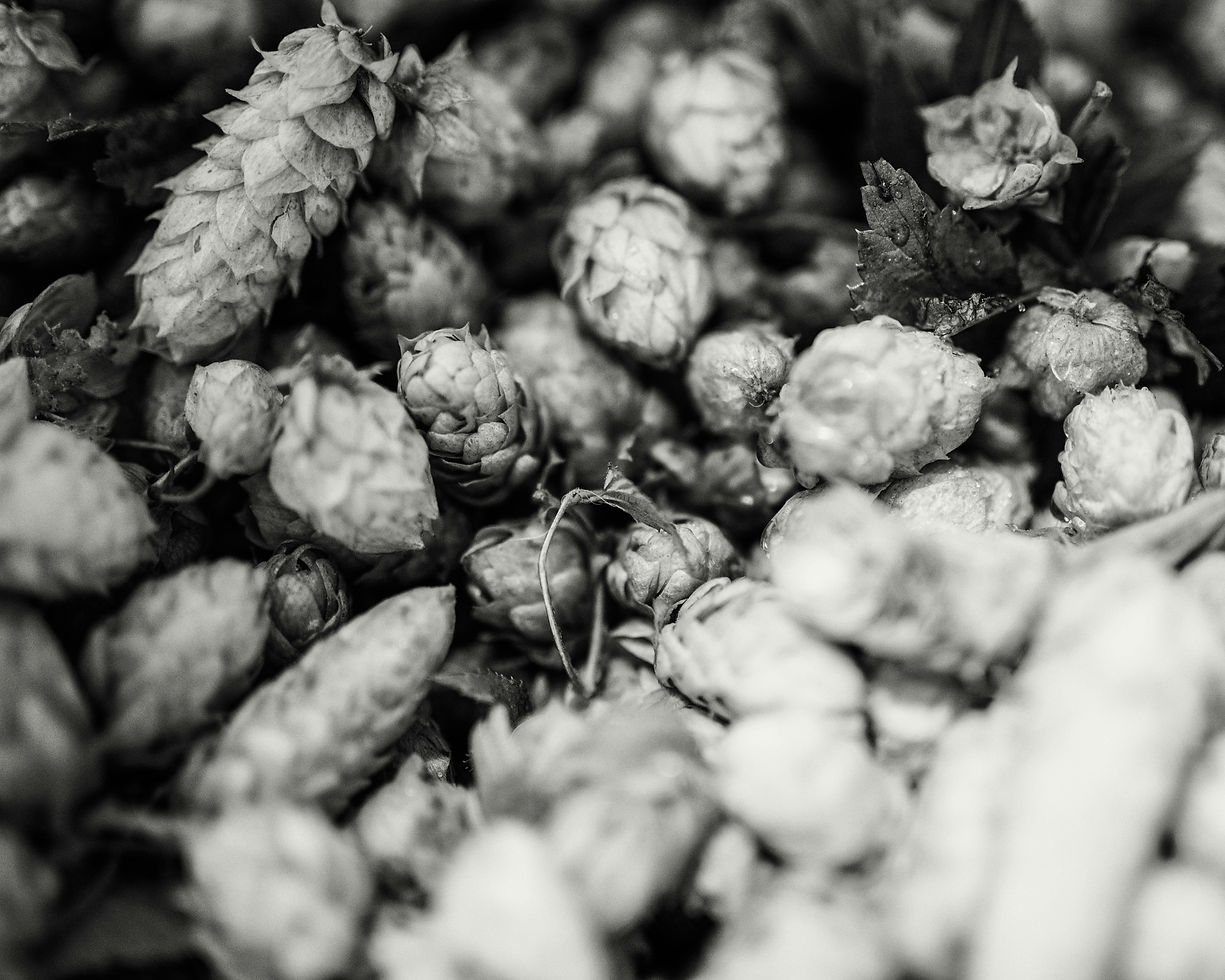
The family was part of a large temporary workforce gathering in crops as they ripened. It was an important source of income. A great deal of manpower was required, especially to pick hops in September, as the value of the crop depended on this being done quickly and at the right moment. Hop picking in Kent drew Travellers from as far afield as Ireland, and this would explain the wedding of two Canterbury brothers to two Irish girls at Eastchurch.
Kentish records mention ‘strangers who came a hopping’ as early as the mid C17th and a 1838 newspaper describes these strangers come to harvest in Sheppey as "pikey men", explaining that they were mainly "gems from the Emerald Isle". They came in large numbers, lived in tents beside the road or under hedges and caused friction with the local population. One Saturday night, after work, fighting men among the strangers went into the village looking to fight the best local man. This led to 40 odd local labourers demolishing their tents and attacking the families inside in the middle of the night, in retaliation. Ringleaders from both sides were taken to the gaol at nearby Sheerness the following morning.
Local farm labourers' living conditions were little better than the Travellers'. They shared small cramped cottages with no sanitation on waterlogged marshes full of malarial mosquitoes. Many suffered and died of the ague. Their families then became homeless, as the cottages were tied to the work.
The woman who died while harvesting with her husband in 1834 and had an inquest at St Dunstans may have succumbed to cholera. An outbreak in 1832 had killed two harvest workers in Sheppey as well as affecting a convict ship at Sheerness. And a Commander died of cholera at Sheerness that year, in 1834.
More information...


Comments